November 18, 2026
Every homeowner eventually encounters sluggish wastewater disposal, yet many overlook early warnings until serious structural complications develop inside hidden pipes. Neglecting gradual blockages allows localized buildup to strain pipe joints, erode seals, and invite contaminated overflows across finished living spaces. While minor surface snags respond to simple plungers, deep internal obstructions demand commercial motorized augers and high-velocity hydro-jetting to clear thoroughly. Recognizing persistent indoor drainage symptoms empowers homeowners to take prompt corrective measures before emergency disasters strike unannounced. Staying vigilant about early fixture behaviors protects your domestic sanitation system and preserves overall household hygiene across every season.
1. Observing Sluggish Water Movement Throughout Fixtures
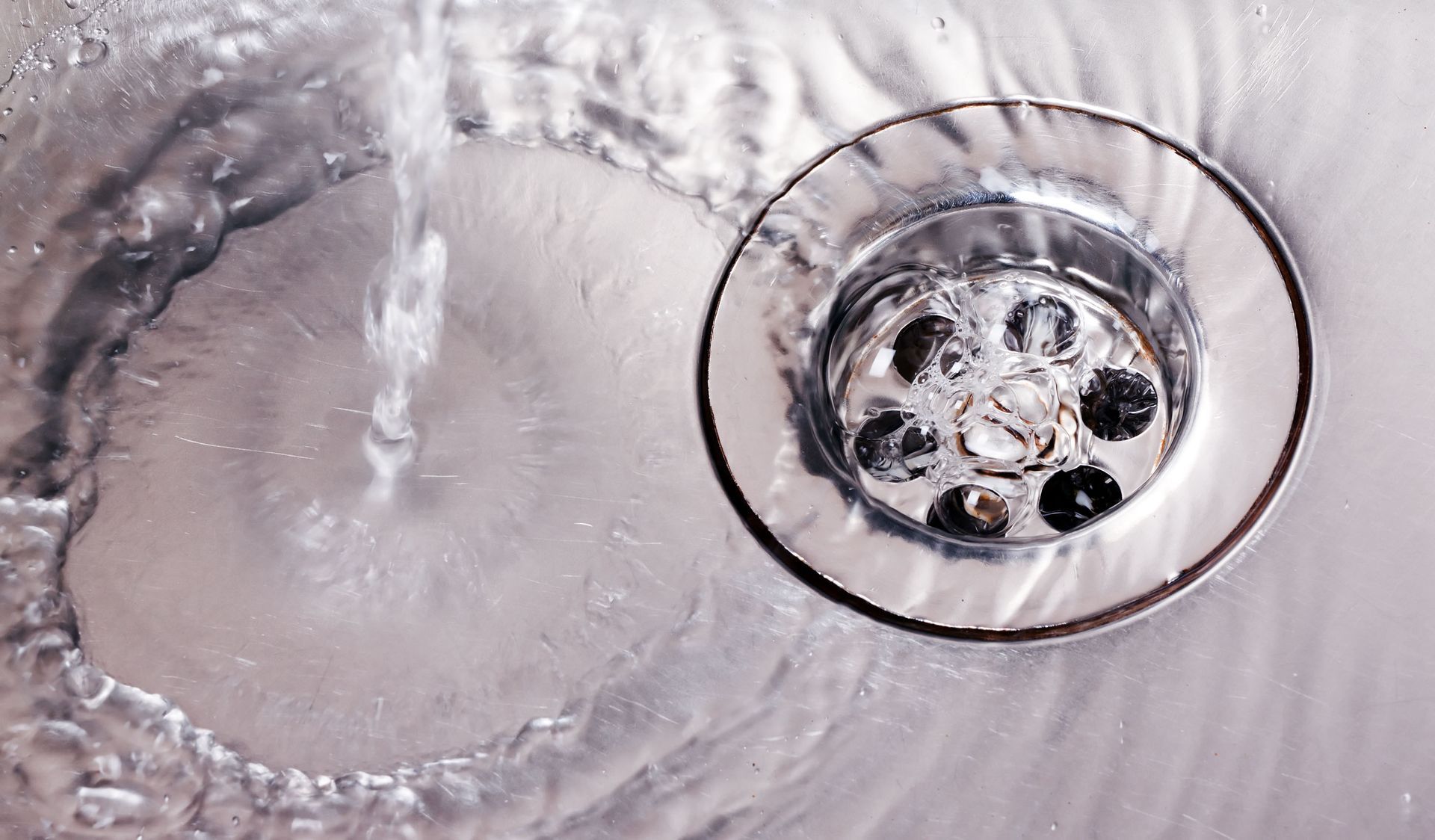
When sinks, bathtubs, or utility basins take excessive time to empty, underlying plumbing lines are slowly choking on accumulated waste matter. Hair, soap residue, and hardened cooking grease cling to interior pipe surfaces, gradually constricting the conduit until water trickles out frustratingly slowly. Ignoring this sluggish performance causes systemic pressure to mount against aging pipe walls, often necessitating extensive plumbing repairs to correct ruptured segments later. Routine retail chemical solvents frequently fail to clear dense clogs and can corrode metallic lines. Professional technicians employ motorized cutting blades that scour internal walls, restoring unrestricted flow without endangering the plumbing layout.
2. Detecting Foul Odors Emanating From Open Drains
Unpleasant scents wafting upward from kitchen sinks or bathroom drains indicate decomposing organic materials trapped within local traps and horizontal runs. Over time, trapped food scraps, sloughed skin cells, and personal care products ferment, releasing persistent sewer gas through interior fixture strainers. If pouring boiling water fails to eliminate the stench, the obstruction sits deep within the main vent or lateral pipes. Left unresolved, decaying buildup hardens into impenetrable barriers that require invasive plumbing repairs to extract safely. Professional mechanical clearing thoroughly strips these odorous deposits away, eliminating foul smells at their true source permanently.
3. Hearing Unusual Gurgling Sounds Inside Walls
Gurgling, bubbling, or sucking noises emerging from sink traps when appliances discharge indicate trapped air pockets fighting against dense physical obstructions. As wastewater tries to squeeze past stubborn clogs, negative pressure builds behind the blockage, siphoning water from nearby traps to vent itself. This internal vacuum compromises the protective liquid seal that keeps harmful sewer gases from entering domestic spaces. Persistent acoustic disruptions mean the ventilation system or main collector line is dangerously restricted, risking unexpected backups. Enlisting certified specialists to clear these compressed air pockets restores proper air-to-water ratios throughout the drainage network.
4. Managing Frequent Standing Water in Basements
Basement floor drains serve as the lowest exit point in residential architecture, making them immediate indicators of severe drainage malfunctions. When underground sewer mains clog, wastewater reverses direction and pools around basement floor drains, creating hazardous unsanitary conditions. According to Gitnux, clogged drains or sewer line issues account for around 60% of plumbing-related emergency calls. Lingering moisture damages concrete slabs, ruins personal storage, and promotes toxic black mold growth behind basement drywall. Booking scheduled drain clearing cleans out subterranean pipe obstructions early, preventing devastating property damage and hazardous biological contamination across lower levels.
5. Combating Recurring Clogs With Persistent Intervention
If a shower or kitchen sink repeatedly stops flowing days after clearing it, the core obstruction remains largely intact. Handheld household snakes usually poke a tiny hole through dense clogs, providing brief relief before debris catches and seals the passage again. This frustrating cycle indicates calcified mineral scales, dense fatbergs, or embedded tree roots blocking subterranean lines. Repeatedly struggling with recurring blockages wears down pipe threads, eventually forcing homeowners to schedule costly plumbing repairs for damaged sections. Thorough hydro-jetting uses high-pressure water to blast away every trace of residue, permanently breaking the cycle of repeated clogs.
6. Identifying Sudden Fruit Fly Infestations Indoors
Pest infestations inside kitchens and bathrooms often originate deep inside drain traps rather than open pantry goods or outdoor windows. Drain flies, gnats, and fruit flies breed inside the moist, nutrient-rich gelatinous slime that coats clogged pipes. These insects multiply rapidly within sticky grease layers, emerging through sink grates to contaminate food prep surfaces and living quarters. Chemical bug sprays cannot eliminate colonies sheltered deep inside wastewater pipes. Thorough mechanical scouring strips away the biological slime lining pipe walls, depriving persistent insect larvae of their primary food source and breeding ground.
7. Resolving Multi-Fixture Backups Through Coordinated Diagnostics
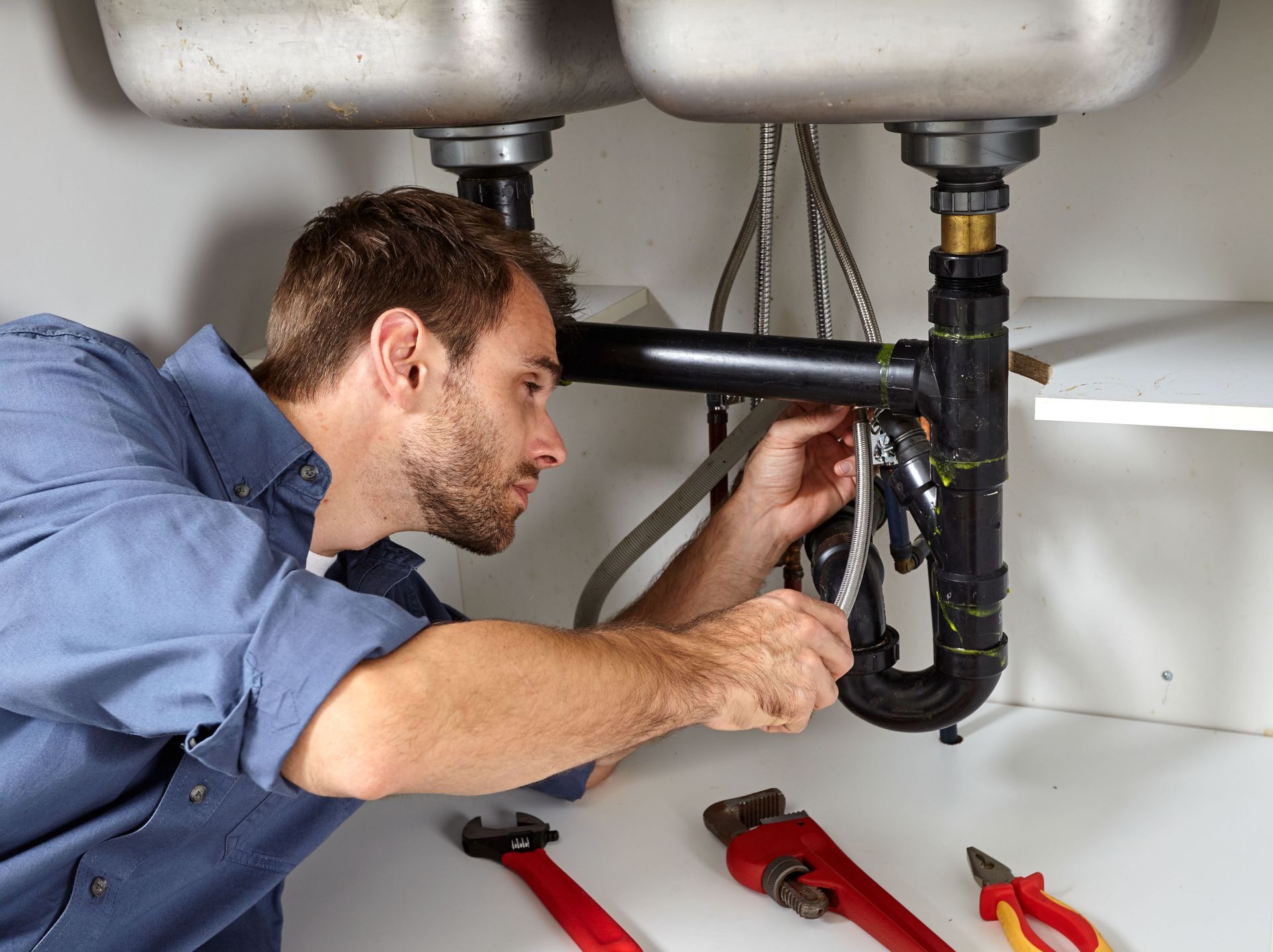
When flushing a toilet causes water to surge upward inside an adjacent bathtub, the primary sewer lateral is severely blocked. Because branch lines feed into a shared exit pipe, a blockage in the main artery forces sewage back into the lowest fixtures. Such cross-fixture backups present immediate sanitary risks, saturating bathroom floors with contaminated blackwater containing hazardous bacteria. Delaying drain clearing under these conditions risks widespread pipe separation, demanding emergency plumbing repairs to restore structural plumbing integrity. Technicians use video cameras to locate central sewer obstructions, targeting intervention precisely where blockages form.
8. Inspecting Overflowing Cleanout Caps Outside
Exterior sewer cleanout pipes provide direct access to the municipal junction, acting as important relief valves during severe drainage failures. If blackwater seeps around the threaded yard cleanout plug, the blockage sits between the home and municipal sewer main. Outdoor overflows threaten lawn health, generate intense localized odors, and indicate that household pipes cannot discharge any additional liquid waste. Ignoring an active cleanout leak risks immense hydraulic pressure bursting indoor fittings, requiring complicated plumbing repairs throughout subfloor areas. Rapid professional clearing restores normal yard drainage, safely sending sewage into the municipal utility network without spilling.
9. Watching Seasonal Weather Changes With Trepidation
Freezing winter temperatures and torrential spring rainstorms place immense physical stress on residential drainage systems with preexisting internal buildup. Frozen grease coagulates into concrete-like barriers during cold snaps, while heavy rainfall oversaturates surrounding soils, driving groundwater into small pipe cracks. Furthermore, aggressive tree roots seek out hairline fractures during dry summers, infiltrating sewer lines to create impenetrable root balls. Failing to purge these root webs and congealed fats invites catastrophic sewer backups during severe storms. Scheduled seasonal clearing fortified by commercial equipment keeps pipes resilient against shifting weather extremes and aggressive underground root systems.
10. Monitoring Overflowing Kitchen Sinks During Dishwashing
Kitchen sink lines handle an enormous volume of pulverized food particles, starchy residues, and melted fats that congeal within cooler pipes. Running an automated dishwasher forces pressurized hot water down these lines, often overwhelming partially restricted pipes and causing sink basins to flood. This backflow deposits filthy dishwater across kitchen countertops, damaging cabinetry and creating unsanitary food preparation environments. Continuing to use kitchen appliances under these conditions risks line blowouts that necessitate extensive plumbing repairs across concealed walls. Professional pipe cleaning scours out sticky starches and hardened fats, allowing modern high-volume appliances to drain smoothly.
11. Recognizing Premature Corrosion Along Pipe Joints
Sluggish drains allow wastewater to sit inside pipes far longer than designed, exposing metal surfaces to prolonged chemical and moisture exposure. The resulting galvanic corrosion weakens brass, copper, and cast iron joints, manifesting as white mineral crusts or visible green oxidation along fittings. When pipe joints remain bathed in stagnant acidic wastewater, metal walls thin out until minute hairline leaks begin dripping into ceilings. Unchecked corrosion inevitably leads to sudden pipe failures that demand urgent plumbing repairs to avoid disastrous interior flooding. Cleansing internal pathways allows water to exit swiftly, reducing standing corrosive contact along vulnerable structural seams.
Protecting residential structures from catastrophic wastewater overflows requires sharp observation and prompt intervention when subtle drainage abnormalities first appear. Recognizing sluggish flow, acoustic bubbling, sewer odors, and persistent pest swarms empowers homeowners to act before pipes fail completely. Relying on superficial chemical treatments rarely dissolves dense subterranean debris and risks etching fragile interior pipe walls over time. Professional cleaning utilizes cutting-edge camera inspections, rotating root cutters, and pressurized water jets to restore factory-grade pipe diameters safely. Addressing drainage anomalies proactively preserves domestic hygiene, safeguards property investments, and maintains effortless plumbing performance throughout your entire home.
Are you seeking reliable plumbing repairs in Northern Kentucky, Greater Cincinnati, and Southern Indiana? Richardson Plumbing is your go-to for all your plumbing needs! Contact us today to schedule your next service appointment.